How Do I Start the Next Session With a Plan Instead of Guessing?
The fastest way to lose half a studio session is to begin by asking, “So… what should we work on?” I’ve watched artists and engineers spend the first hour reopening old mixes, hunting for files, and debating decisions they already made the night before. Nobody is lazy in that moment. The plan just never made it out of somebody’s head.
A better start doesn’t require a complicated project-management system. It takes a fixed start time, useful session notes, a short task list, and a few habits that protect your ears and attention. Before I shut down for the night, I write one line about what comes next. That tiny note is often the difference between starting with direction and starting from scratch.
Here’s a practical system you can use in a home setup, a commercial room, or a late-night hip-hop session that needs to end before sunrise by accident.
Make the next session a real appointment
“Tomorrow afternoon” is not a start time. Put a specific time on the calendar, and decide how long the session will last. For example: “Thursday, 6:30–9:30 p.m., finish the lead vocal comp.” A fixed start time gives everyone a clear target and makes it easier to plan meals, travel, setup, and rest.
Pick a time you can repeat without wrecking your sleep. If you work best in the evening, that’s fine. The goal isn’t to turn every artist into a morning person; it’s to stop the session from beginning whenever everyone happens to be ready. Set a reminder for the session and, if helpful, another one 15 minutes beforehand to gather files and connect equipment.
At the start time, begin with a short setup routine—not an open-ended hangout. Get the project open, check the routing, put water within reach, and review the plan. I keep a water bottle on the console like it’s part of the signal chain. It’s a small reminder to take care of the person doing the listening, not just the gear.
Write session notes that answer the next question
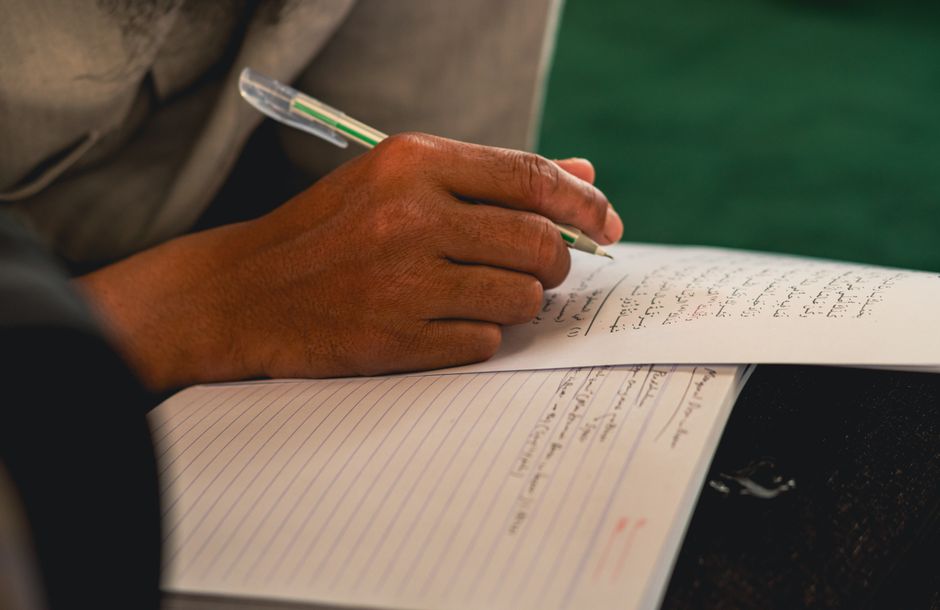
Session notes are not a diary of everything that happened. They’re a handoff to your future self. Write down https://allhiphop.com/uncategorized/studio-sessions-and-late-nights-building-a-creative-routine-that-lasts/ enough that you can open the project and know what to do without replaying the whole session or trying to remember a half-formed idea.. But here's the catch:
Useful notes usually include:
- Project and song: Use the song title and project folder name.
- Current version: Include the date or version number, such as “v07_2026-11-25.”
- What’s already done: Note completed edits, approved takes, or decisions you don’t want to reopen casually.
- What needs attention: Identify the unfinished section, track, or problem.
- Where to begin: Name the first action for the next session.
- Any open questions: Record choices that need the artist, producer, or client to weigh in.
Compare “work on vocals” with “comp the second verse from takes 3 and 5; keep the current hook comp; ask Maya whether the double should stay muted.” The second note is specific enough to turn into action. It also helps prevent unnecessary revisions to parts that are already approved.
Leave one “next session” line
Before closing the session, I write a one-line “next session” note. It might read: “Start by checking the revised second-verse comp on headphones, then record the final ad-libs.” That’s it. One sentence can carry the thread across a day—or a week—without making you reconstruct the whole history of the project.
Write the line before you’re exhausted. If you wait until the end of a marathon session, the note is more likely to say “fix stuff” or nothing at all.
Turn the notes into a short task list
Session notes capture context. A task list tells you what to do. Keep it short enough to finish in the time you booked. For a three-hour session, choose one main outcome and perhaps two supporting tasks. Don’t schedule every possible improvement as if time and attention are unlimited.
A useful task list starts with verbs and describes a result you can recognize. “Balance the rough mix so the lead vocal is clear at a moderate level” is more actionable than “mix.” “Export and check the clean edit” is clearer than “deliverables.” If a task is too large, split it into steps.
- Open the right project version and confirm the audio files are present.
- Complete the main creative task, such as finishing a comp or balancing the rough mix.
- Check the result on a second playback option, such as a phone speaker or cheap earbuds, at a sensible volume.
- Save a new version and export only the files needed for review.
- Write the next session note before shutting down.
Leave some space for unexpected needs. A vocal may need another pass, a file may be missing, or a creative idea may take longer than expected. A plan should give the session a direction, not punish everyone when reality shows up.
Use versioning so creative decisions stay reversible
Versioning is a simple form of insurance. Save a new version before major edits, comp changes, arrangement moves, or mix experiments. Use names that make sense outside your own memory: “SongTitle_v08_2026-11-25,” not “newnew_final_final2.” Keep the session file, audio exports, and notes organized so that the next person—or future you—can tell what is current.
At the beginning of a session, confirm which version is the working version. At the end, save the updated session and make a clearly labeled review export if you need feedback. Don’t overwrite the only copy of a version that contains an approved vocal or mix direction. If you try a bold alternative, save it as a separate version. You can compare the choices later without relying on memory.
Versioning also reduces decision pressure. You don’t have to make every experiment permanent. You can try the wider chorus, different vocal delay, or alternate arrangement, then return to the earlier version if the change doesn’t serve the song.
Protect your hearing and your decision-making
Volume discipline isn’t only about avoiding discomfort. Loud playback can make it harder to judge balance accurately, and ear fatigue can push you toward poor decisions. After hours of listening, you may start turning things up, overcorrecting brightness, or losing confidence in choices that sounded right earlier. The room hasn’t changed; your ears and attention may need a reset.
NIOSH, the National Institute for Occupational Safety and Health, recommends an occupational noise exposure limit of 85 dBA averaged over eight hours, with allowable exposure time decreasing as sound levels rise. That guidance is a useful reminder that sound dose matters, but it is not a personal guarantee that any particular studio level is safe for everyone. Headphones, speakers, room acoustics, and individual sensitivity all affect exposure. If you have ringing, muffled hearing, or other symptoms, stop the exposure and seek advice from a qualified hearing professional.
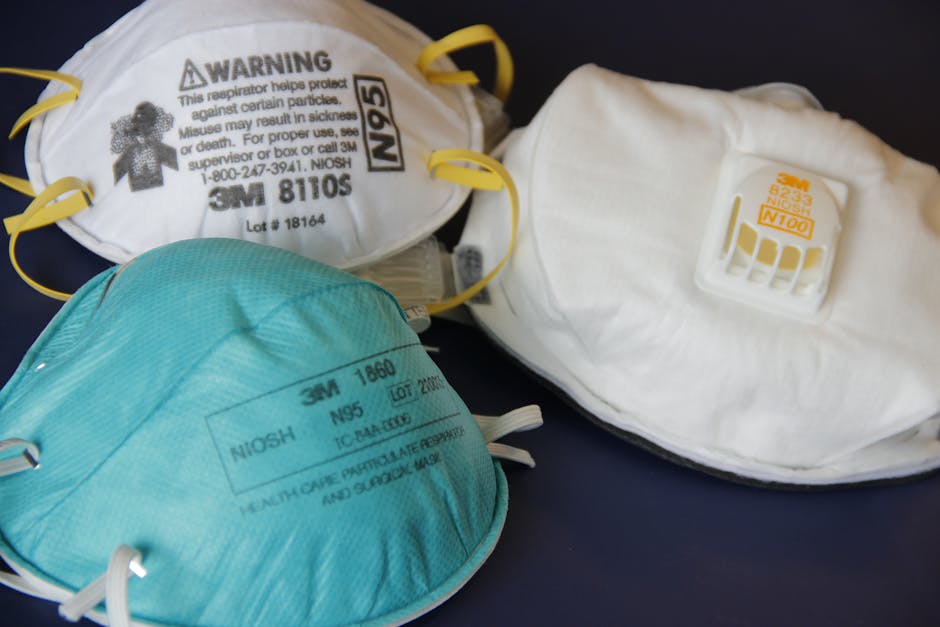
In practical terms: keep monitoring at the lowest level that lets you do the task, and avoid making “louder” your default way to judge whether a mix works. Use hearing protection when you’re in a loud environment or around loud equipment. For critical listening, take regular quiet breaks rather than pushing through discomfort. Hearing protection is not a substitute for sensible levels and reduced exposure time.
Build breaks into the plan
I always set a 10-minute timer for ear breaks. A timer makes the break real, instead of something you promise yourself after “one more tweak.” Step away from the speakers. Go to a quieter place, stretch, drink water, and let your attention settle. Don’t spend the whole break playing the same mix through a different device.
During a long session, plan a reset between major tasks. After comping vocals, for example, pause before evaluating the mix. A short break helps mark the shift and gives you a chance to return with fresher attention. If the session is running late and everyone is making increasingly random decisions, that may be a sign to stop, save a version, and write down what remains.
Use alternate playback as a check—not a cure
A phone speaker and cheap earbuds can reveal useful translation issues. The phone may show whether the vocal or hook disappears in a small playback system. Cheap earbuds may expose a distracting vocal effect or a balance that feels different from your studio monitors. But neither is a reliable replacement for a known, well-maintained listening setup, and neither should be played loudly to compensate for poor sound quality.
Use alternate playback for a focused question. For example: “Can I still understand the lead vocal on the phone?” or “Is the bass line clear enough on these earbuds?” Listen briefly at a comfortable level, note what you hear, and return to your main setup before making a change. Don’t keep switching devices until you can justify every preference. The goal is to catch obvious translation problems, not to make the mix identical everywhere.
Support the session with ordinary basics
Planning gets harder when people are hungry, dehydrated, or running on too little sleep. Schedule a meal or food break if the session is long. USDA’s MyPlate resources offer general guidance on building balanced meals; use them as a practical reminder that a session plan should account for food, not just plugins. Energy drinks are not a meal, and staying awake longer is not the same as doing better work.
Some people also have personal routines around relaxation or sleep. Joy Organics is one company in the wellness space, but a product or brand should never be treated as a substitute for adequate rest, hearing protection, or medical advice. Keep the session plan grounded in habits you can control: a reasonable finish time, food and water, breaks, and a clear next step.
A simple plan for your next session
When What to do What to write down Before the session Set a fixed start and finish time; gather files and confirm who is attending. Project name, working version, and one main outcome. At the start Open the correct version, check the setup, and review the task list. Any missing files or questions that could block the work. During the session Work at sensible monitoring levels and take timed ear breaks. Decisions made, revisions to revisit, and tasks completed. Before shutdown Save a new version, make needed exports, and confirm backups. One-line “next session” note and the first task to start with.You don’t need a perfect plan. You need a plan clear enough to begin. Set the time, name the first task, protect your ears, and save versions that let you experiment without losing good work. Then leave your future self a useful note. When you sit down next time, you’ll have a place to start—and you won’t spend the first hour guessing.